

Soot Testing and Mapping in St. Petersburg, FL

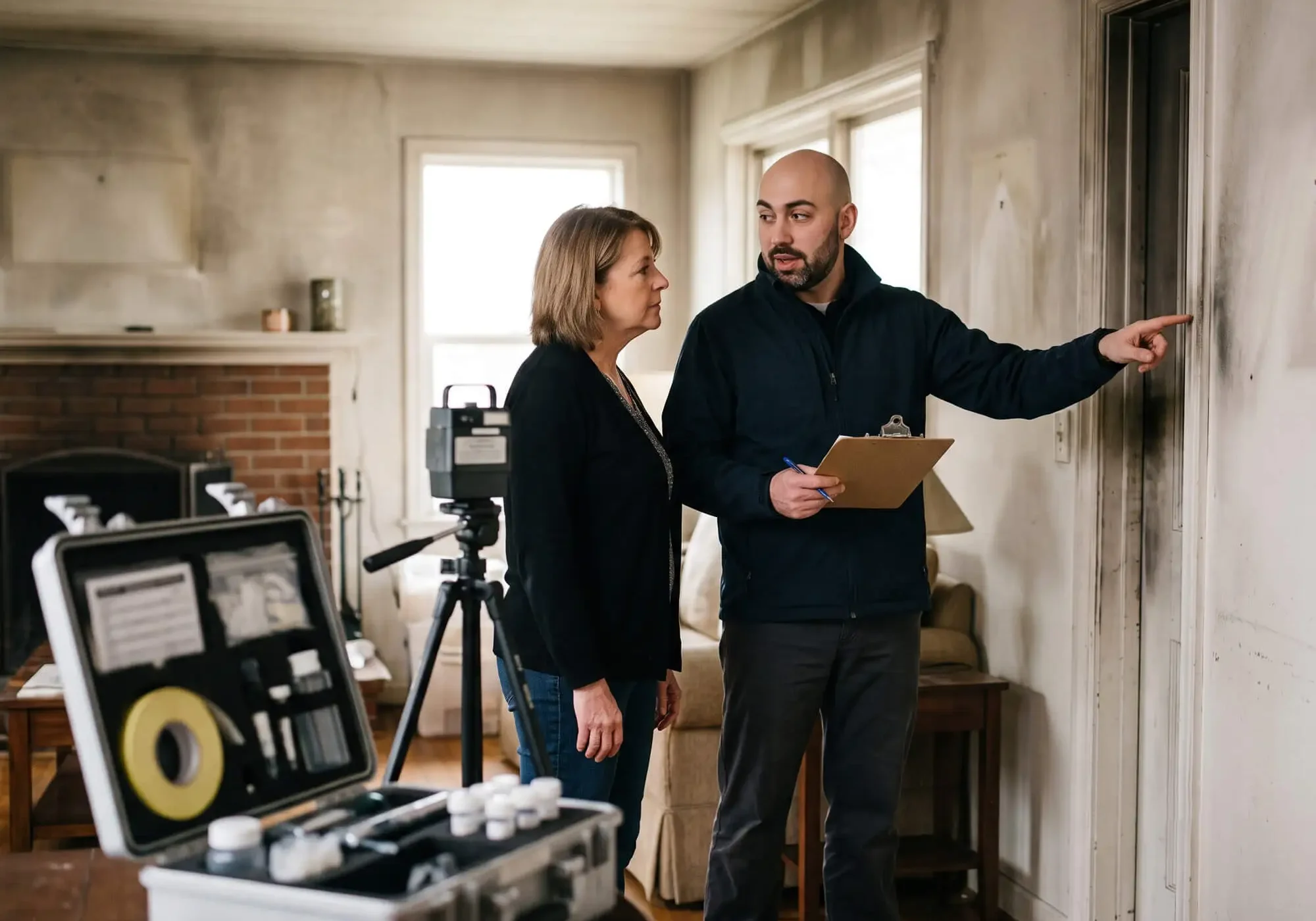
Trusted Soot Testing Experts Helping St. Petersburg Property Owners Define the Extent of Fire Damage

Indoor Environmental Technologies provides independent soot testing and soot mapping in St. Petersburg, FL, for property owners, insurers, attorneys, and restoration professionals after a fire. Surface sample collection and laboratory analysis determine where combustion-related soot particles traveled. We Test. We Don't Remediate.
Why Do You Need Soot Testing After Fire Damage?
Smoke travels far beyond the flames. Soot particles migrate through doorways, stairwells, shafts, and HVAC pathways into areas that never burned, settling on walls, wood, and porous materials. Without testing, cleanup scope is a guess, and arguments over which areas were affected happen with no data on the table.
Optional Confirmatory or Follow-Up Services
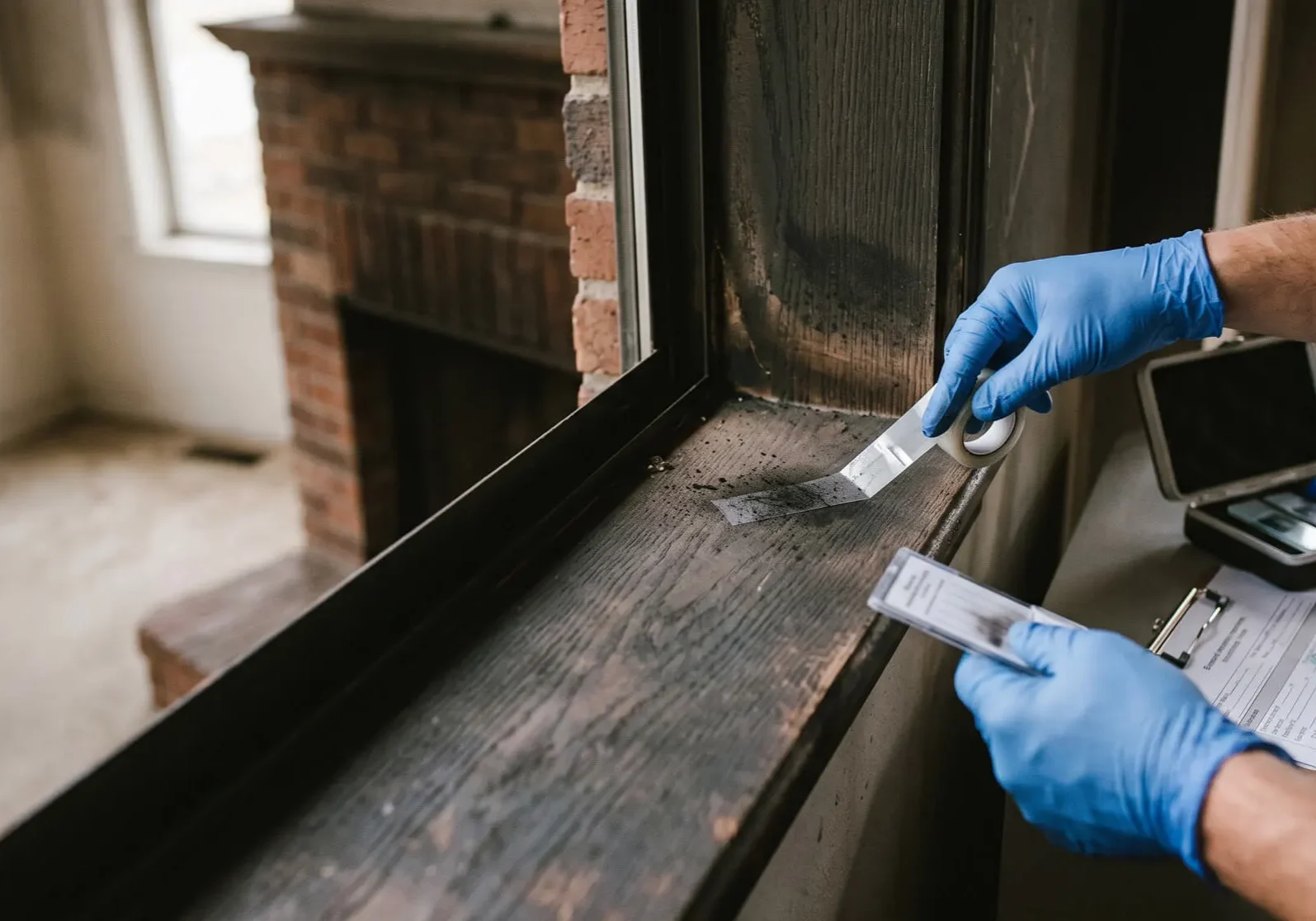
Soot testing and mapping run as one engagement: planning, sampling, laboratory analysis, and the final report with your soot map. These services extend the scope where the project calls for more.
TEM/EDS Analysis
Transmission electron microscopy with energy-dispersive spectroscopy, where optical microscopy is insufficient for the project objective.
Step-Out Sampling
Additional samples taken outward from the interpreted boundary to refine it where the edge remains uncertain.
Destructive Investigation
Direct access to concealed conditions, with separate authorization and safe access arrangements.
HVAC and Concealed Space Sampling
HVAC inspection or specialized sampling of ducts, plenums, equipment, or concealed spaces.
Post-Remediation Verification Sampling
Verification sampling following cleaning, documenting conditions in previously affected areas before reoccupancy.
Expert Testimony and Litigation Support
Testimony and case support where soot findings enter a claim dispute or legal proceeding, backed by documented chain of custody.
How Soot Contamination Spreads Through a Building
HVAC System Distribution
The air handler pulls smoke into the return side and distributes soot through every conditioned space. Rooms far from the fire routinely test positive.
Vertical and Concealed Pathways
Stairwells, shafts, and pipe penetrations carry smoke between floors. Wall cavities and plenums need separate authorization and additional samples at $300 each.
Porous Surfaces & Materials
Soot settles into wood, drywall, concrete, and insulation. A surface wipe will not remove it, which changes the cleaning scope far more than the $300 cost to sample and confirm.
Transition Zones Beyond Visible Damage
Areas with no visible residue frequently test positive. Soot particles are invisible to the naked eye, so appearance is an unreliable boundary.
Contents and Sensitive Areas
Electronics, archives, and spaces with vulnerable occupants or critical operations warrant focused documentation, selected around your priorities for the property.
Background and Comparison Areas
Soot is ubiquitous in any building. Comparison samples from areas isolated from the fire establish what normal looks like on this property.
Soot Damage to Property and Building Materials
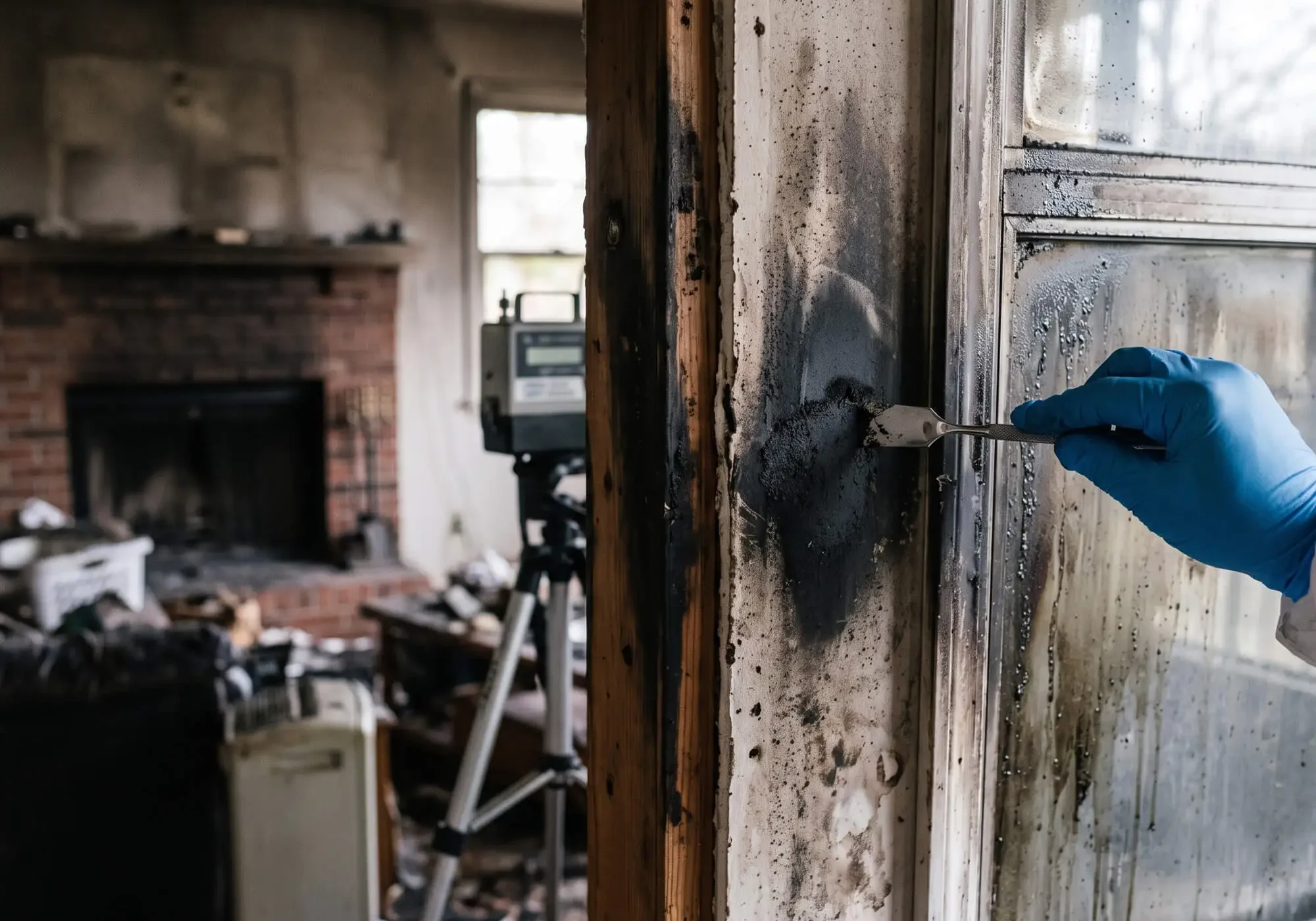
Combustion residue does more than discolor. Soot settles into porous materials and stays there, and the longer it remains, the harder the cleanup becomes. Florida humidity compounds it, helping soot adhere to surfaces in air-conditioned buildings.
Assessment is priced against the property. Project planning and site assessment are $350. Surface sample collection and laboratory analysis are $300 per sample, with the count set by layout, fire location, and access. Mapping, interpretation, and the final report are included, so a four-sample program totals $1,550. Work outside the agreed scope is $185 per hour plus expenses.
Why Choose Indoor Environmental Technologies for Soot Testing?
Our Soot Testing Process
STEP 01
Site Review and Sampling Plan
We confirm the reported fire origin, timeline, ventilation conditions, and any cleaning or demolition already completed. Building features that create migration pathways get documented: doors, shafts, stairwells, elevator lobbies, HVAC pathways, penetrations, pressure relationships, and cleaning boundaries.
STEP 02
Zone Mapping and Sample Selection
The property is divided into assessment zones by floor, room, compartment, system, or distance from the fire. We establish a sampling transect from suspected higher-impact areas through transition zones to comparison locations that appear unaffected, subject to site conditions.
STEP 03
Sample Collection and Documentation
Samples are collected, labeled, photographed, and logged with unique location identifiers, and chain of custody is completed. Each observation point is recorded on available floor plans or a field-developed area diagram alongside its corresponding sample location.
STEP 04
Laboratory Analysis and Quality Review
Samples undergo particle identification and semi-quantitative reporting. We review results against sample location, site conditions, visible evidence, potential background sources, and the known limitations of the method rather than reading numbers in isolation.
STEP 05
Soot Map and Final Report
Your report contains a laboratory certificate with sample locations and particle categories, a consultant narrative covering field conditions and interpretation, a sample location log with photographs, a soot map classifying each zone by impact level, and conclusions recommending cleaning boundaries or additional testing. Where the boundary is uncertain, step-out sampling can refine it.
What Our Customers Are Saying
Define the Affected Area Before Cleaning Begins

Cleaning scope written without data becomes a dispute later. IET documents which areas carry combustion residue and which do not, on a map with laboratory results behind every point. Making the Invisible World Visible.
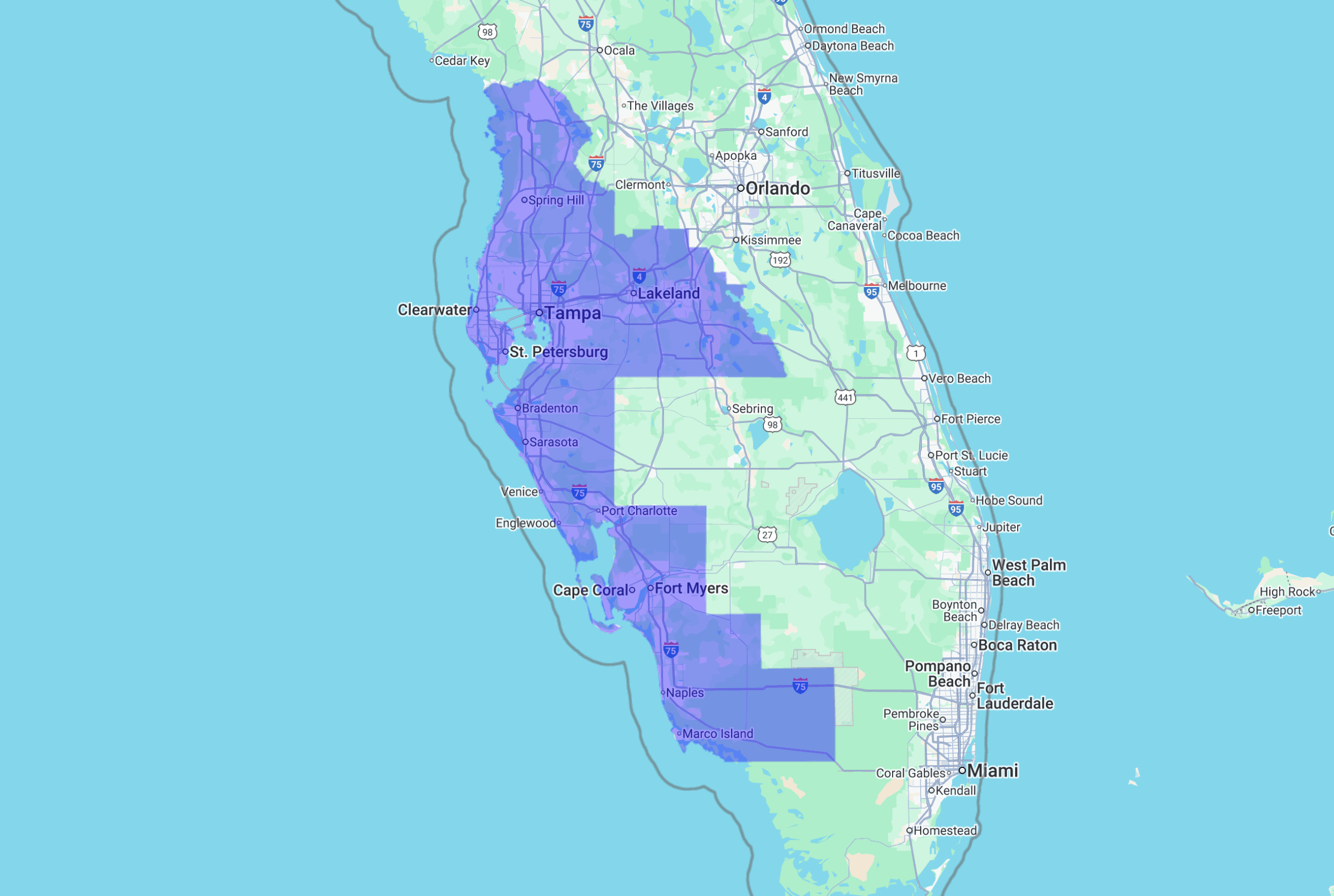
Serving Central Florida & The Gulf Coast
View our full Florida and Southeast service areas
Not seeing your county above? Don’t worry—we serve a wide range of specific municipalities and neighborhoods throughout the region. Please call us to see how we can help.





Frequently Asked Questions
Get the Extent of Soot Damage on Record
Soot travels further than the fire, and what gets cleaned depends on what gets documented. IET maps where combustion particles traveled and backs every zone with laboratory findings. Creating Healthy Buildings Through Applied Science.