

Water Damage Assessment Services in St. Petersburg, FL

Trusted Water Damage Inspectors Helping St. Petersburg Property Owners Document Moisture Damage
Indoor Environmental Technologies provides independent water damage assessment and inspection in St. Petersburg, FL, for property owners, managers, insurance company adjusters, attorneys, and restoration contractors. We locate hidden moisture, classify water contamination, and document structural damage. We Test. We Don't Remediate.
Why Do You Need a Water Damage Assessment?
Florida heat and high humidity slow drying, so building materials hold excess moisture long after standing water is gone. Mold growth can begin within 24 to 48 hours. Moisture wicks behind walls and under floors where visual inspection misses it, turning water damage cleanup into structural damage, health hazards, and costly repairs.
Water Damage Assessment and Inspection Services
IET documents what water did to your property: where moisture traveled, what contamination came with it, and how deeply saturation penetrated affected areas. Property owners, insurers, and restoration contractors work from the same measured facts.
Moisture Mapping and Thermal Imaging
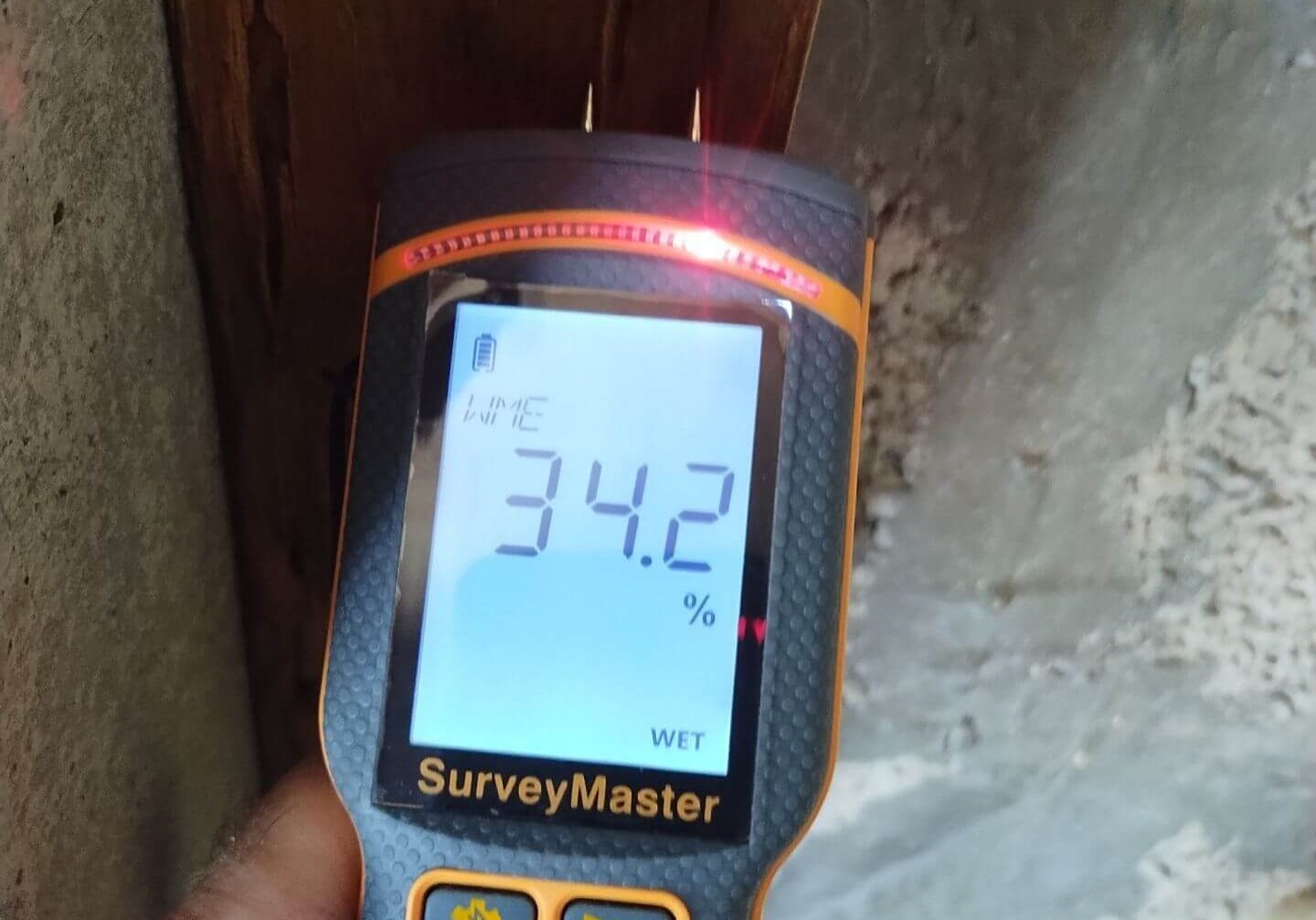
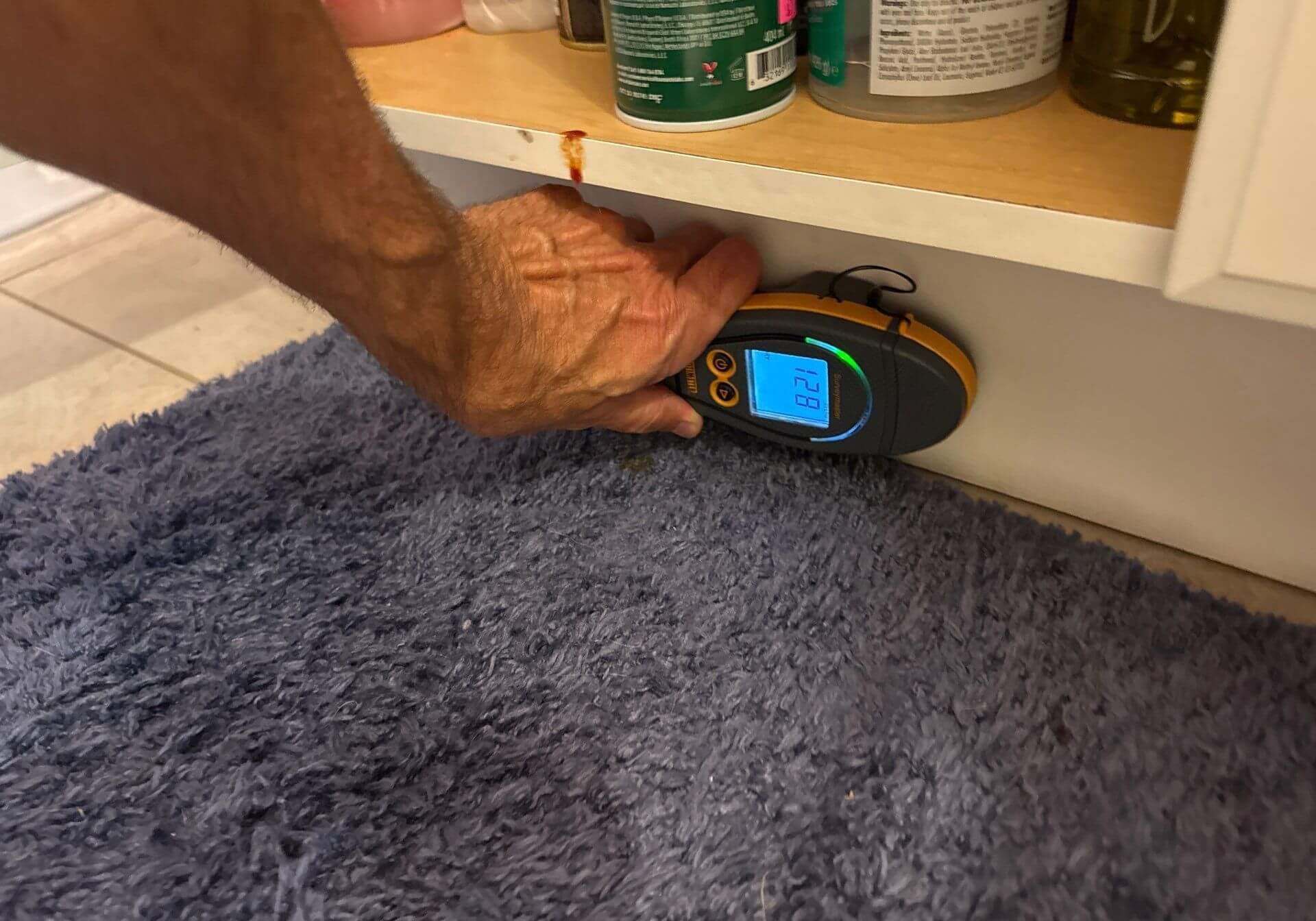
Moisture meters and infrared thermal cameras uncover hidden pockets of saturation inside walls, floors, and ceilings, so hidden moisture gets documented instead of drying in place unnoticed.
Water Contamination Category Classification
We categorize water as Category 1 (clean), Category 2 (gray), or Category 3 (black, requiring sewage cleanup), so the decontamination scope matches what actually entered the building.
Damage Class Determination
Class 1 through Class 4 classification measures how deeply water penetrated materials, so the drying process and equipment selection rest on measured saturation rather than guesswork.
Moisture and Mold Investigations
Visual inspections, moisture mapping, and air and surface sampling locate mold growth caused by water damage, so mold spores get found before reconstruction seals contamination inside the assembly.
Sewage Loss Screening
Sewage backups and backflows leave bacterial contamination in affected areas. Screening documents conditions and materials, so the mold cleanup and decontamination scopes are defined before removal begins.
Post-Remediation Verification
After the drying process and cleanup are finished, a verification inspection and sampling confirm that affected areas were properly addressed, so reconstruction proceeds on documented conditions rather than assumptions.
Common Causes of Water Damage in St. Petersburg Properties
Burst Pipes and Plumbing Failures
Burst pipes, supply line failures, and old water heaters release water fast, saturating walls, floors, and cabinetry. Our inspection team traces how far water traveled through the structure.
Sewage and Septic Backups
Septic tank failures and sewer backups introduce harmful bacteria into occupied spaces. Sewage loss creates health risks that make professional documentation and screening necessary before cleanup.
Storm and Flood Damage
Sudden storms, heavy rains, leaky roofs, and coastal flooding drive water into buildings from above and below. Flood damage often carries Category 3 contamination requiring documented decontamination.
Flooded Basements and Below-Grade Spaces
Inoperative sump pumps, poor drainage, and groundwater intrusion leave standing water in below-grade areas where moisture lingers and mold growth follows quickly.
Appliance and HVAC Leaks
Broken household appliances, air conditioning condensation, and clogged drains create slow leaks. These produce a mold problem long before anyone notices excess moisture in the affected area.
Roof and Building Envelope Failures
Inefficient roof water drainage, clogged gutters, failed flashing, and window leaks let water enter repeatedly. Intermittent intrusion causes hidden structural damage that a single visual inspection can miss.
Why Choose Indoor Environmental Technologies for Water Damage Inspection?
Our Water Damage Assessment Process
STEP 01
Schedule Your Assessment
Request an inspection online or contact our office. We ask what happened, when, and what has been done since: a burst pipe, roof failure, appliance leak, storm flooding, or sewage backup. That determines what we test for and how the water damage inspection is scoped.
STEP 02
Initial Damage Inspection
Our inspection team identifies the water source and classifies water contamination as Category 1, 2, or 3. Moisture meters and thermal imaging cameras document affected areas while we assess safety concerns, standing water near electrical sources, and structural instability. Personal protective equipment is used in contaminated environments.
STEP 03
Damage Classification and Moisture Measurement
We classify damage severity using the Class 1 through 4 system and measure moisture levels in walls, floors, ceilings, and structural materials to determine the extent of the water intrusion. Specialized equipment detects saturation that visual inspection cannot reveal, which is where undocumented mold problems begin.
STEP 04
Documentation and Reporting
You receive a detailed report with wide-angle and close-up photographs, room-by-room moisture meter readings, thermal imaging results, contamination category, damage class, and an inventory of affected materials. Insurance company adjusters and restoration contractors work from this format when scoping a loss.
STEP 05
Verification and Follow-Up
Once the drying process and cleanup are complete, IET can return to verify conditions before reconstruction begins. Continuous monitoring and documentation throughout the restoration process confirm the work addressed what the original damage assessment recorded.
What Our Customers Are Saying
Document the Damage Before It Gets Covered Up

Once drywall goes back on, what happened behind it becomes an argument instead of a record. IET measures moisture levels, classifies water contamination, and photographs affected areas while the evidence is still accessible. Making the Invisible World Visible.




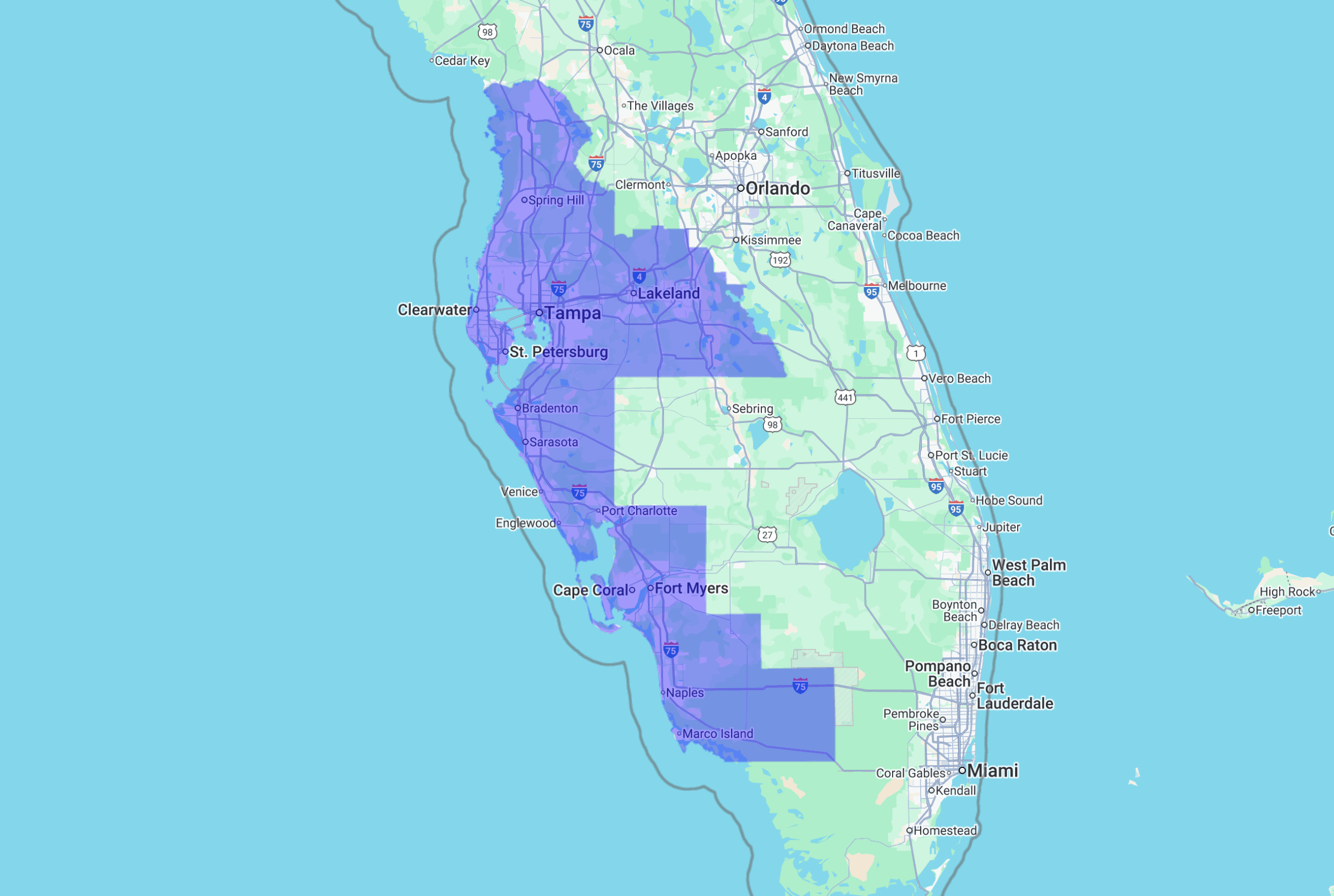
Serving Tampa Bay & The Gulf Coast
Not seeing your county above? Don’t worry—we serve a wide range of specific municipalities and neighborhoods throughout the region. Please call us to see how we can help.
Frequently Asked Questions
Get Your Water Damage Assessment on Record
Excess moisture moves deeper into structural materials every hour it sits, and mold growth follows. An IET water damage assessment documents the extent, the contamination category, and the damage class while the evidence is still there to record. Creating Healthy Buildings Through Applied Science.